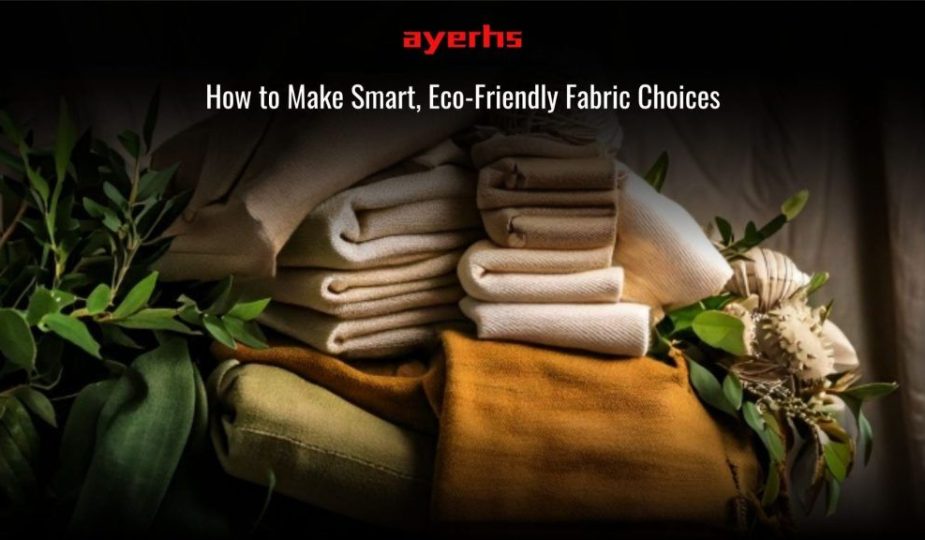
In today’s world, where sustainability and environmental consciousness are at the forefront of consumer priorities, it’s no surprise that eco-friendly fabrics are gaining popularity in the fashion and tech industries. From clothing to home furnishings, the demand for sustainable materials is on the rise. But what exactly are eco-friendly fabrics, and why do they matter? Let’s dive into the world of eco-friendly textiles and explore their significance in our tech-driven society.
What Are Eco-Friendly Fabrics?
Eco-friendly fabrics, also known as sustainable textiles, are materials that are produced using environmentally friendly processes and materials. These fabrics are typically made from natural, renewable resources such as organic cotton, bamboo, hemp, and soy, as well as recycled materials like polyester and nylon. Eco-friendly fabrics are often produced without the use of harmful chemicals or pesticides, making them better for the planet and for our health.
The Importance of Eco-Friendly Fabrics
There are several reasons why eco-friendly fabrics are important, especially in today’s tech-driven society. Here are just a few of the key reasons why sustainable textiles matter:
Reduced Environmental Impact
Conventional textile production is a major contributor to environmental pollution and degradation. From the use of toxic chemicals in dyeing and finishing processes to the massive amounts of water and energy required to produce synthetic fibers, the textile industry has a significant impact on the planet. By choosing eco-friendly fabrics, consumers can help reduce the industry’s environmental footprint and support more sustainable practices.
Health Benefits
Many conventional textiles are treated with toxic chemicals that can be harmful to our health. From formaldehyde in wrinkle-resistant fabrics to phthalates in PVC-based materials, these chemicals can have negative effects on our respiratory systems, skin, and overall well-being. Eco-friendly fabrics are produced without the use of these harmful substances, making them a healthier choice for both consumers and the planet.
Social Responsibility
The production of conventional textiles often involves unethical labor practices and exploitation of workers in developing countries. By choosing eco-friendly fabrics, consumers can support brands that prioritize fair labor practices and ethical sourcing, promoting social responsibility and positive change in the industry.
Popular Eco-Friendly Fabrics
There are several eco-friendly fabrics that are gaining popularity in the fashion and tech industries. Here are a few of the most common options:
Organic Cotton
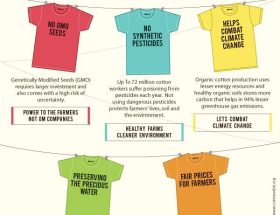
Organic cotton is produced without the use of synthetic pesticides or fertilizers, making it a more sustainable and environmentally friendly alternative to conventional cotton. Organic cotton is soft, breathable, and biodegradable, making it a popular choice for clothing, bedding, and home textiles.
Bamboo
Bamboo is a fast-growing renewable resource that requires minimal water and pesticides to grow. Bamboo fabric is soft, lightweight, and naturally anti-bacterial, making it a popular choice for activewear, loungewear, and bedding.
Hemp
Hemp is a highly sustainable crop that requires minimal water and pesticides to grow. Hemp fabric is strong, durable, and biodegradable, making it ideal for clothing, accessories, and home furnishings.
Recycled Polyester
Recycled polyester is made from post-consumer plastic bottles and other recyclable materials. By using recycled polyester, brands can reduce their reliance on virgin materials and help divert plastic waste from landfills.
Conclusion
In conclusion, eco-friendly fabrics are an important part of creating a more sustainable and environmentally conscious society. By choosing textiles that are produced using environmentally friendly processes and materials, consumers can reduce their environmental impact, support fair labor practices, and promote positive change in the fashion and tech industries. Whether it’s organic cotton, bamboo, hemp, or recycled polyester, there are plenty of eco-friendly fabric options available for those looking to make a positive impact on the planet. So next time you’re shopping for clothing or home furnishings, consider choosing eco-friendly fabrics and do your part to create a more sustainable future.